
Should I Use Shrink Film Packaging for Products? | Reliable Packaging Solutions for Food, Beverage, and Pharmaceutical Industries
Packaging comes in many forms, including rigid packaging, flexible packaging, and options in between, each suited to different applications.Shrink film is often evaluated not because it looks simple, but because it effectively addresses practical packaging issues related to cost, efficiency, and appearance.Before deciding to use shrink film, there are several key aspects that should be understood. Benison is a high-quality Shrink Packaging, Shrink Tamper Band, Packaging Lines, Packaging Machines, Packaging Material, Automatic Packaging Machines, Packaging Film, Laminated Materials, Automatic Production Line manufacturer from Taiwan since 1962. 60 years professional experience in packaging industry and total 400 workers locating in Taiwan's headquarters and three overseas branches of China, Philippines and Thailand. Also Benison has distributors around the world more than 50 countries to provide 24 hours service every day.
Should I Use Shrink Film Packaging for Products?
Packaging comes in many forms, including rigid packaging, flexible packaging, and options in between, each suited to different applications.
Shrink film is often evaluated not because it looks simple, but because it effectively addresses practical packaging issues related to cost, efficiency, and appearance.
Before deciding to use shrink film, there are several key aspects that should be understood.
1. Cost: Why Is Shrink Film Often a Low-Barrier Option?
In terms of overall packaging cost, shrink film is often lower than glass, paperboard, or most rigid packaging.
This is not only due to lower material cost, but also to weight and transportation expenses.
Heavier packaging leads to higher accumulated logistics and transportation costs over time.
Shrink film is relatively lightweight and can effectively reduce overall packaging costs for high-volume or international shipments.
If reducing packaging material costs is a priority, shrink packaging may be worth considering.
2. When Does Shrink Film Become More Expensive?
Not all shrink film applications offer cost advantages. Printed shrink film is one example.
Printed shrink film allows branding, product information, and design to appear directly on the packaging, improving shelf appeal and brand recognition, but it usually involves:
◆ Higher production costs
◆ Minimum order quantity (MOQ) requirements
◆ Upfront design and sampling costs
As a result, printed shrink film may not be the best option for companies with limited budgets.
3. Environmental Impact: Why Shrink Film Is Still Considered Relatively Sustainable
Shrink film is a plastic material and is often perceived as environmentally unfriendly.
In practice, sustainability should be evaluated based on overall carbon footprint and life cycle, not just material type.
Because thin films are lightweight and use less material, their carbon emissions during production and transportation are often lower than those of glass, metal, or thick paperboard.
Although glass, metal, and paper are theoretically recyclable, contamination and recycling limitations may still result in landfill disposal.
This is why shrink film is still considered a relatively sustainable packaging option in certain applications.
4. Shelf Appearance of Shrink Film
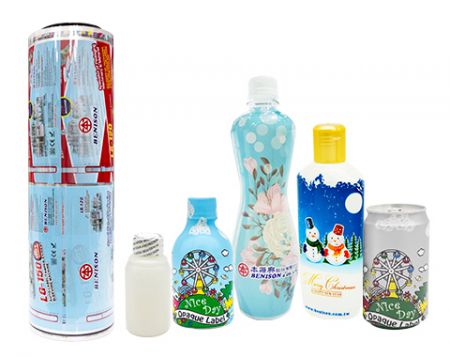
One reason shrink packaging is widely used is its balance between product display and protection.
Clear shrink film allows full product visibility while providing tight wrapping and protection.
Printed shrink film further integrates branding for a more consistent visual appearance.
5. Overall Assessment: Advantages and Limitations
▍ Advantages of Using Shrink Film Packaging
1. Lower overall cost compared to many alternatives
2. Clean appearance with strong shelf presence
3. Protects products from impact or damage
4.Relatively low carbon footprint among common packaging materials
▍ Limitations of Using Shrink Film Packaging
1.Not suitable for heat-sensitive products
2.Not always suitable for premium or luxury products
Commonly Asked Questions
Q1: Is shrink film always cheaper than other packaging materials?
Not necessarily. Clear shrink film is usually cost-effective, but printed shrink film can be more expensive due to design, plates, and MOQ.
Q2: Does using shrink film mean the packaging is not environmentally friendly?
Environmental impact should not be judged by material alone. From a life-cycle and carbon footprint perspective, shrink film is lightweight and uses less material, often resulting in lower carbon emissions during production and transportation.
Q3: Which products are not suitable for shrink film packaging?
Heat-sensitive products and luxury goods. Shrink film requires a heat-shrinking process, making it unsuitable for products with low heat tolerance. In addition, premium or luxury products that emphasize texture and perceived value may not be well suited to shrink film as the primary packaging.
Q4: How should I choose between clear shrink film and printed shrink film?
Use clear film when you prioritize cost and product visibility; choose printed film when branding and shelf impact are more important and your budget allows.
Suitability Depends on Your Product and Application
Shrink film is not always the “best” packaging material, but it is often one of the most suitable options when cost, efficiency, and visual requirements are clearly defined.
What matters most is whether the packaging fits your product characteristics, production conditions, and market positioning.
If you are evaluating whether shrink film is suitable for your product or would like assistance reviewing your current packaging, feel free to fill out the form below. Benison can provide material and packaging recommendations based on your needs to support a more confident decision.
Recommendation of popular products, please see the product introducing pages for more details.
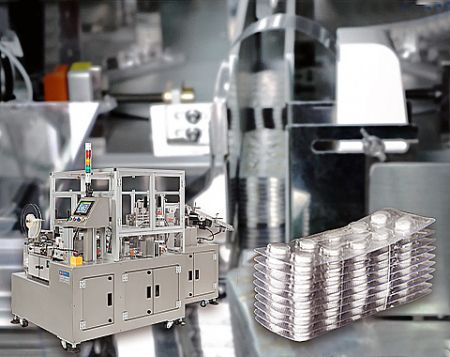
Should I Use Shrink Film Packaging for Products? | Global Leader in High-Efficiency Packaging Machines and Materials
Established in 1962 and based in Taiwan, Benison & Co., Ltd. is a leading supplier of packaging solutions. We specialize in shrink packaging, heat shrink films, tamper-evident bands, and automated packaging machines for the food, beverage, pharmaceutical, and industrial sectors. Our products include horizontal flow wrappers, auto label sleeve applicators, and over-wrapping machines, all designed to enhance production efficiency and reliability.
Our expertise spans both packaging machinery and film production, offering industry-leading technology and eco-friendly solutions. Advanced heat shrink packaging machines and automatic shrink wrap systems ensure high efficiency and reliability for various industrial applications. Sustainable shrink films provide excellent product protection and presentation. Focused on innovation and comprehensive customer service, we attract international buyers seeking top-quality and reliable packaging solutions, reinforcing our position as a global leader in the packaging industry.
Benison has been offering customers high-quality heat shrink packaging and shrink wrap machines, both with advanced technology and 60 years of experience, Benison ensures each customer's demands are met.