
Complete Guide to Packaging Automation: How to Determine If Your Production Line Is Ready for Automation | Innovative Heat Shrink Machines and Sustainable Packaging Films
Benison is a high-quality Shrink Packaging, Shrink Tamper Band, Packaging Lines, Packaging Machines, Packaging Material, Automatic Packaging Machines, Packaging Film, Laminated Materials, Automatic Production Line supplier from Taiwan since 1962. 60 years professional experience in packaging industry and total 400 workers locating in Taiwan's headquarters and three overseas branches of China, Philippines and Thailand. Also Benison has distributors around the world more than 50 countries to provide 24 hours service every day.

Complete Guide to Packaging Automation: How to Determine If Your Production Line Is Ready for Automation
Packaging automation can significantly improve production efficiency and reduce reliance on manual labor—but not every packaging process is ready for automation from the start.
From a practical, on-the-ground perspective, this article explains what packaging automation really means, what should be evaluated before implementation, the three key factors that determine suitability, and how to calculate return on investment (ROI). The goal is to help companies make informed, realistic decisions rather than rushing into automation before the timing is right.
What is Packaging Automation?
Packaging Automation refers to the use of machinery, sensors, and control systems to automatically complete the product packaging process. The main goals of implementing packaging automation include:
◆ Increasing packaging efficiency and production speed
◆ Reducing labor costs and error rates
◆ Ensuring consistency and stable packaging quality
Before investing in automation, there' s one key question you must answer:
“Is my packaging process truly suitable for automation?”
Before You Begin: Can Your Packaging Be Automated?
Many companies believe that purchasing the right equipment and setting up proper procedures is enough to achieve packaging automation. However, not all packaging processes are suitable for automation.
1.If the process is complex and involves many steps, automation costs and risks will increase significantly.
2.If the process is simple and repetitive, it has a much higher chance of successful automation.
Three Key Factors in Packaging Automation
1.Repetition
Repetition refers to whether the same action is repeated throughout the process. The higher the level of repetition in manual operations, the easier it is to automate.
Conversely, if each package differs in size, direction, or placement, machines will struggle to make real-time judgments and adjustments like humans. In short, the more standardized your process, the more feasible automation becomes.
2.Precision
The simpler the packaging design, the easier it is to automate. If your current process requires workers to handle delicate positioning or rely heavily on manual skills, automation equipment may face challenges completing those tasks accurately.
◆ Automation-friendly conditions: spacious packaging areas, measurable actions, and low precision requirements.
◆ Less suitable conditions: heavy reliance on human judgment and low tolerance for errors.
3.Space Requirement
Even the best automation solution can' t be implemented without sufficient floor space. You' ll need to assess the following:
◆ Available production area
◆ Machine size and workflow layout
◆ Safety and maintenance zones
If space is limited, consider partial automation or reconfiguring your production line.
Investment Evaluation: Return on Investment (ROI) in Packaging Automation
Implementing automation is a major capital investment, so evaluating ROI (Return on Investment) is essential.
Before making a decision, ask yourself: “Is this investment truly worthwhile?”
To assess ROI, consider:
1.How many labor hours can be saved per day?
2.How much will labor or overtime costs be reduced annually?
3.What are the total equipment and maintenance costs?
4.Will you recover the investment within 1, 3, or 5 years?
If automation allows you to recover costs within your target period while increasing efficiency and profit, it' s a sign of economic feasibility. If the payback period is too long, consider starting with partial automation using semi-automatic or small-scale systems to gradually transition.
Is Packaging Automation Right for You?
The feasibility of packaging automation depends on three core elements:
1.Process repetition and stability
2.Reasonable ROI
3.Space and equipment integration capability
If your packaging process is standardized, your factory space is sufficient, and you can achieve ROI within your desired timeframe, now is the perfect time to consider automation.
A Step-by-Step Approach to Packaging Automation
If you' re not yet ready due to ROI limits or space constraints, you can take gradual steps:
1.Redesign packaging processes to increase standardization
2.Introduce semi-automatic equipment to build automation experience
3.Develop a cost-benefit model and review ROI regularly
4.Consult with an automation integration expert for professional planning and assessment
Commonly Asked Questions
Q1: Are all packaging processes suitable for automation?
Not necessarily. The simpler and more repetitive the process, the more suitable it is for automation. Complex or highly variable packaging processes involve higher risks and costs.
Q2: What are the most critical factors when evaluating packaging automation?
Process repetition, packaging precision, and space planning. The level of standardization, reliance on human judgment, and available floor space all play key roles in determining feasibility.
Q3: How can I determine whether packaging automation is worth the investment?
By evaluating the return on investment (ROI), including labor savings, cost reduction, and equipment payback period. If the investment can be recovered within a reasonable timeframe, automation is economically viable.
Ready to Automate?
If you believe your business is ready for automation but need guidance on how to start, feel free to fill out the form below.
Benison provide one-stop automation transformation services—from assessment and design to manufacturing, installation, and maintenance—tailored to your budget, space, and operational needs.
Recommendation of popular products, please see the product introducing pages for more details.

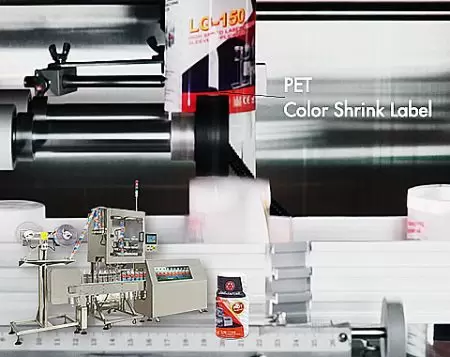
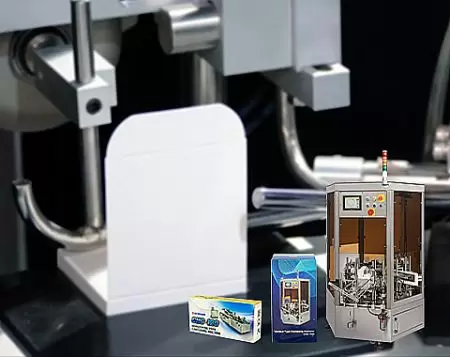
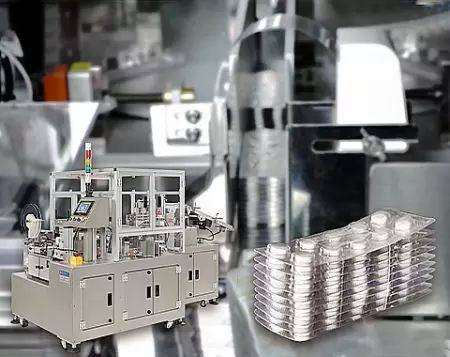
Complete Guide to Packaging Automation: How to Determine If Your Production Line Is Ready for Automation | Innovative Heat Shrink Machines and Sustainable Packaging Films
Based in Taiwan since 1962, Benison & Co., Ltd. has been a shrink packaging machines and plastic films manufacturer. Our main product packaging machines include, heat shrink packaging machines, automatic shrink wrap machines, heat tunnel machines, as well as plastic films and label printing services, which are CE certified and sold to over 50 countries.
60 years professional experience in packaging industry and total 400 workers locating in Taiwan's headquarters and three overseas branches of China, Philippines and Thailand. Also Benison has distributors around the world more than 50 countries to provide 24 hours service every day. As a company that manufactures the shrink wrapping machines as well as the shrink packaging materials, we can see to your total needs. Since 1962, We have developed both expertise and technology in our 60 years of experience, becoming a leader in the shrink packaging industry.
Benison has been offering customers high-quality heat shrink packaging and shrink wrap machines, both with advanced technology and 60 years of experience, Benison ensures each customer's demands are met.